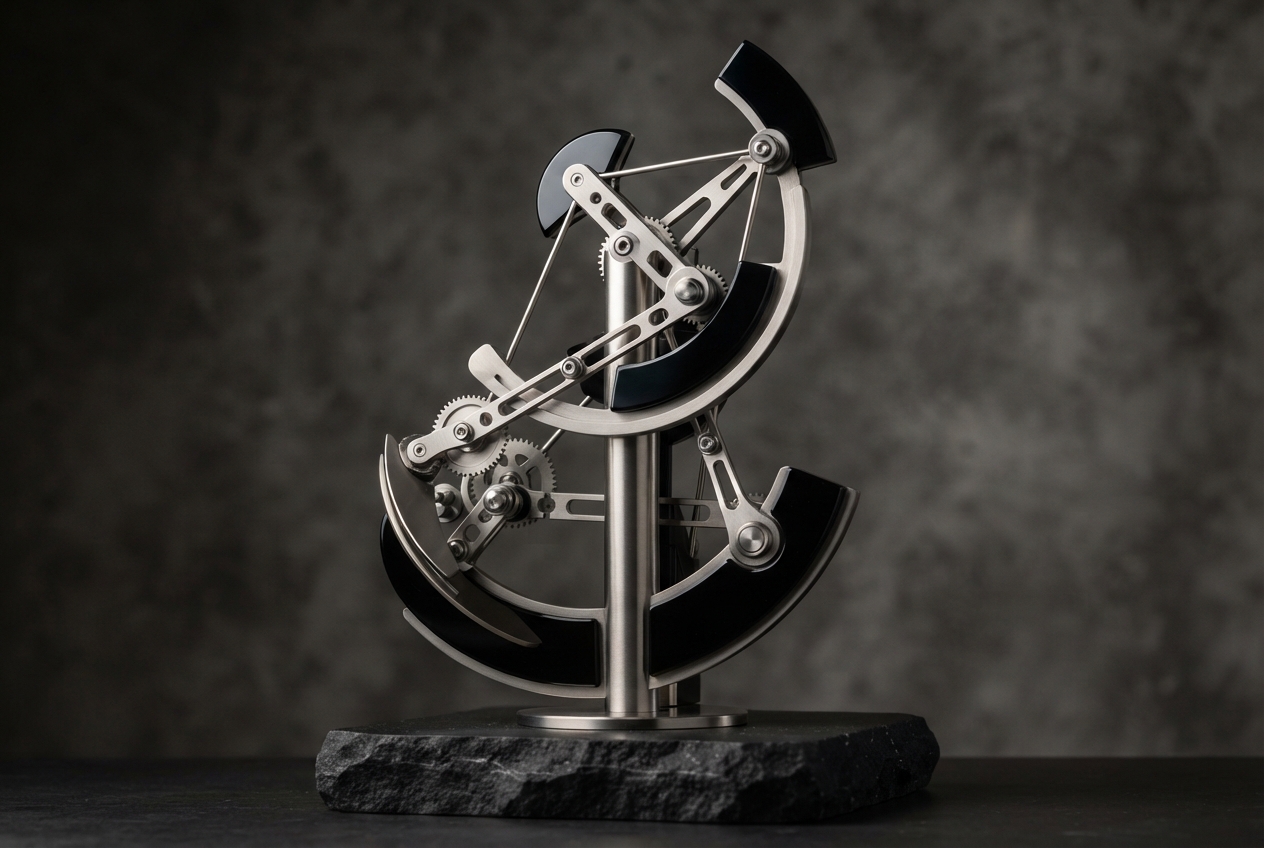
The Retreat From Glass Slates
The modern device landscape has reached peak glass fatigue. For fifteen years, consumer computing coalesced around identical glossy rectangles governed by capacitive touch and haptic motors simulating real texture. But in creative enclaves across Kyoto, Berlin, and Portland, an antithetical movement has gained momentum: tactile computing monoliths.
Crafted from solid milled basalt, grade 5 titanium, and phosphor-bronze escapements, these instruments prioritize physical resistance, weight, and acoustic feedback.
Clockwork Escapements in Modern Data
Rather than outsourcing state to remote cloud servers, these standalone devices feature localized clockwork registers that translate keystrokes and rotary encoder inputs into tangible physical states.
“When you actuate a toggle that requires twelve Newtons of force to engage, your brain acknowledges the commitment,” explains Julian Vance. “You cannot casually scroll through despair when every action carries physical mass.”